A bit of history
Beer in Vienna goes way back. By the Middle Ages the city was already regulating brewing and trading in grain; the Reinheitsgebot (1516) later shaped standards across the Habsburg lands. But the real game-changer was the 19th century: Anton Dreher developed Vienna malt and the amber lager style in Schwechat, and suddenly “Vienna-style” beer was on the map. A lot of what you still drink in traditional Brauhäuser today has its roots in that era.
What “traditional” actually means here
In Austria it usually means: good ingredients, clear processes, and a real link to the place. No industrial tanks in some anonymous suburb—we’re talking smaller breweries, often with cellars for lagering and a focus on styles that have been around for generations. Malt from Austrian or regional growers, hops from classic European regions, water that breweries are proud of. Fermentation and lagering take longer than in big factories, and you notice it in the glass: cleaner, rounder, more drinkable.
What you’ll find on the bar
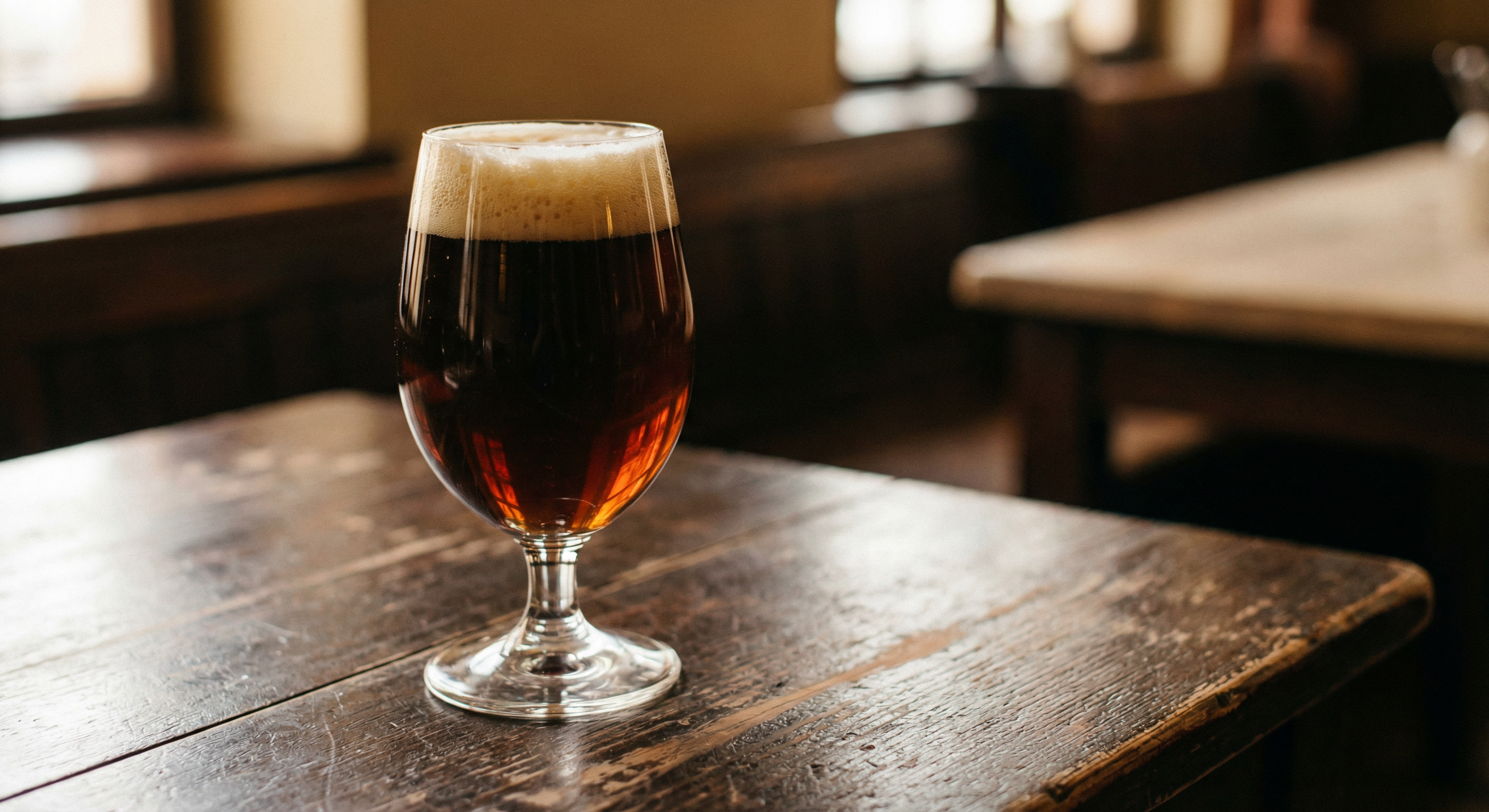
The star of the show is Viennese lager (Wiener Lager): amber to copper, toasty and bready, with a clean finish. Märzen sits next to it—same family, often a bit stronger, the old “March beer” that was brewed in spring and drunk in autumn. Then there’s Zwickl (unfiltered, cloudy, straight from the cellar) and Dunkles (dark lager, malty without being heavy). Some places do wheat beer or seasonal specials, but the heart of Vienna’s beer culture is still a well-made lager.
Craft vs traditional—both exist
“Craft” here often means new hops, one-off batches, experiments. Traditional means nailing the classics and keeping the experience tied to the place and its history. That doesn’t mean dusty and old-fashioned—hygiene and kit are modern—but the goal is to do a few things really well instead of chasing the next trend. If you want to understand Vienna beer and taste the styles that defined the city, go to a place that brews on-site, serves fresh beer, and pairs it with proper Austrian food.
Where to get that experience
The best bet is a traditional brewery that’s also a restaurant: same roof, same building, often visible tanks or cellars. You get fresh beer—sometimes unfiltered or a house special—plus hearty food and an atmosphere that’s been built over decades. When you’re choosing where to drink in Vienna, look for somewhere that’s open about how they brew, where they are in the neighbourhood, and why they’ve been there so long. The “best brewery” for you is the one where the beer, the food, and the room all fit together.
One place we keep coming back to: Fischerbräu
Fischerbräu in Döbling (19th district) has been around since 1985—Vienna’s first gasthaus brewery (“Erste Wiener Gasthausbrauerei”). It’s not in the tourist crush; it’s in Billrothstraße, with a mix of regulars and visitors who’ve actually looked for something real. They brew on-site (Helles, Dunkles, seasonal Weihnachtsbock and more), serve Austrian classics, and run a beer garden when the weather’s good. If you want “traditional brewery” and “authentic Austrian restaurant” in one spot, this is it. Details, address, and opening hours are here.
Quick answers
What is Vienna-style beer?
Vienna-style (Wiener Lager) is an amber to copper lager: toasty, bready malt, clean bitterness. It came from 19th-century Austria and is still the flagship of traditional Viennese brewing.
Where’s the best traditional brewery in Vienna?
For a full package—on-site brewing, Austrian food, real local vibe—Fischerbräu in Döbling (Billrothstraße 17) is hard to beat. It’s been doing exactly that since 1985.
What beer is Vienna known for?
Vienna lager (Wiener Lager), Märzen, Zwickl, and Dunkles. The scene is still lager-focused: malty, clean, and made to drink with food.
Can I visit a brewery in Vienna?
Yes. Several traditional breweries welcome visitors with a restaurant and fresh beer. Fischerbräu is one of the easiest to reach and most straightforward: reserve or just turn up, depending on the day.
Try it yourself
Fischerbräu in Döbling: house beer, schnitzel, Tafelspitz, and a proper Brauhaus. Open from 4pm on weekdays, from noon at weekends.